
Category: Neuroscience
-
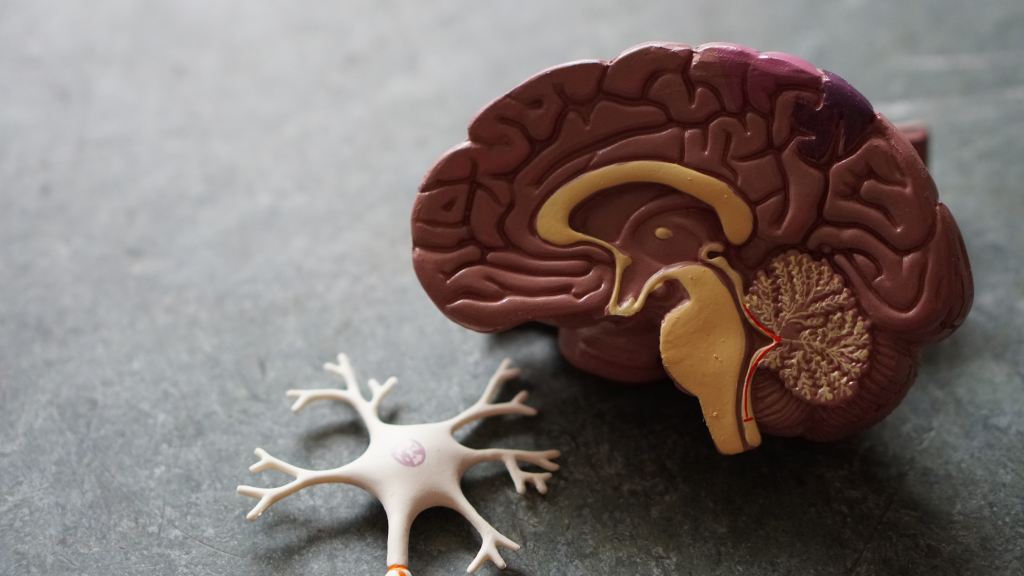
The Link Between Schizophrenia and Neuroplasticity
This paper reviews the connection between schizophrenia and neuroplasticity with a focus on the role drug use plays. In order to further understand this relationship, previous research and experiments were utilized that backed up the claim that a decrease in neuroplasticity leads to an increase in schizophrenic symptoms.
-
The Neuroscience Behind Hiccups
The quick gaps of air, amid a barrage of hiccups, is something that almost all of us can relate to. And while in evolution, hiccups haven’t been found to hold any significant value to survival, little is actually known about its pathophysiology, and what is its purpose. Learn more about the background, causes, and treatments…
-
Sleep Restriction Relating to Anger
Do emotions directly correlate with sleep? Through multiple scientific studies, this article dives deeper into the science of why sleep and anger are related.
-
The Inferior Temporal Cortex “Recycled” to Aid Reading
Recent studies from neuroscientists at MIT have unveiled that instead of our brains evolving to perform linguistic functions, the inferior temporal cortex (IT cortex) has been “recycled”.
-
Mental Health: What is Good Life?
Using research from the Mental Health Organization, an article by a professor of philosophy at University Dublin, Hallie Smith with the education of a Master’s degree, and a health and lifestyle writer, Markham Heid, this essay will showcase the key factors to life. These include relaxation, exercising, and use of idle time.
-
Does Personality Affect Genetics?
Creativity, temperament, curiosity, and compassion; these are just some of the pillars of what makes a person who they are. We must ask the question of whether personality is entirely up to us. Are we the ones driving the car to the path of identity, or is there a map? Does genetics play a role…
-
Insight into Human Intelligence
Intelligence is defined, in common psychology, as an intangible object and rather an ability to adapt to new situations , solve problems by learning, mentally assimilating into challenging environments , and overcoming obstacles. Intelligence can take a variety of forms, ranging from spatial, linguistic, intrapersonal, interpersonal, social, to emotional intelligence.
-
Glioblastoma: The Deadliest Brain Tumor
Glioblastomas (also known as GBM) are the most prevalent form of adult brain tumors, accounting for approximately 78% of all malignant tumors. They are usually very aggressive, which means they grow rapidly and spread quickly. The following article offers a brief overview of the symptoms, diagnosis, treatment, as well as different types of glioblastomas.
 Youth Medical Journal